Many of us are wholly unaware of the difference between the inexpensive products we pick off the shelves and the ones that exist in the shadows of popular brands. You know that farmed-sourced products are better and higher-priced than their commercial counterparts. But do you know the reason behind it?
Small businesses compensate for the lack of brand popularity with quality. Far too many brands hide behind misleading terms like ‘pure’ and ‘organic’ in the honey industry. Labels use different terms to describe honey, and they can be pretty deceiving. You might think, how much of a difference could it be? More than you would expect.
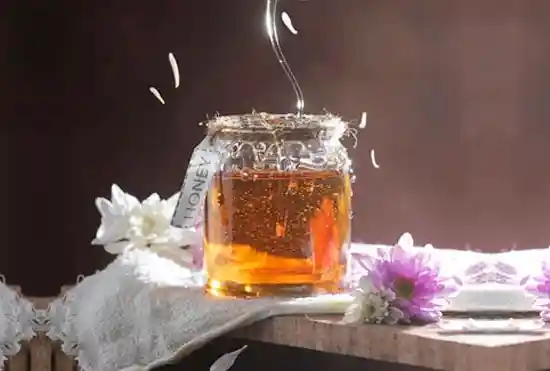
Raw honey is the least processed kind of honey. It is closest to its natural state. After being strained to remove impurities like beeswax or dead bees, it is bottled and packed and available in filtered and unfiltered forms. This form of honey is the most nutritious since it contains many vitamins, minerals and antioxidants.
Regular honey, on the other hand, undergoes filtration. It is a more extensive process that removes any pollen, debris, and air bubbles- making the honey clearer. The pasteurization process destroys the yeast found in it and increases its shelf life. The heating process also liquefies it and makes it smoother for consumption. Some commercial honey’s undergo ultrafiltration, making it more transparent and smoother because of the aesthetic appeal. Both methods strip the honey off of most of its nutrients.
Ultrafiltration is an advanced process where honey is diluted and forced through small filters under high pressure to remove pollen. The pollen present is one of the most reliable factors of identification of the source of honey. It is one of the reasons for the extreme filtration that would otherwise benefit consumers. Although filtration delays crystallization, you can revert raw honey to its liquid form by gently heating it.
1. The Viscosity Test: Place a drop of honey on your thumb. If it spills off, then it is not pure honey. If it doesn’t spread, it is pure.